This summer year marks the 30th anniversary of the pioneering osprey reintroduction programme in Rutland and its first nest, hidden in a secret location on the Burley Estate.
Over the past 30 years, the programme has welcomed the hatching of more than 300 osprey chicks, a remarkable milestone that reflects the success of the rehabilitation effort. An incredible 30% (88) of chicks were born in the original nests on the Burley Estate, highlighting the commitment to restoring and conserving wildlife on the site.
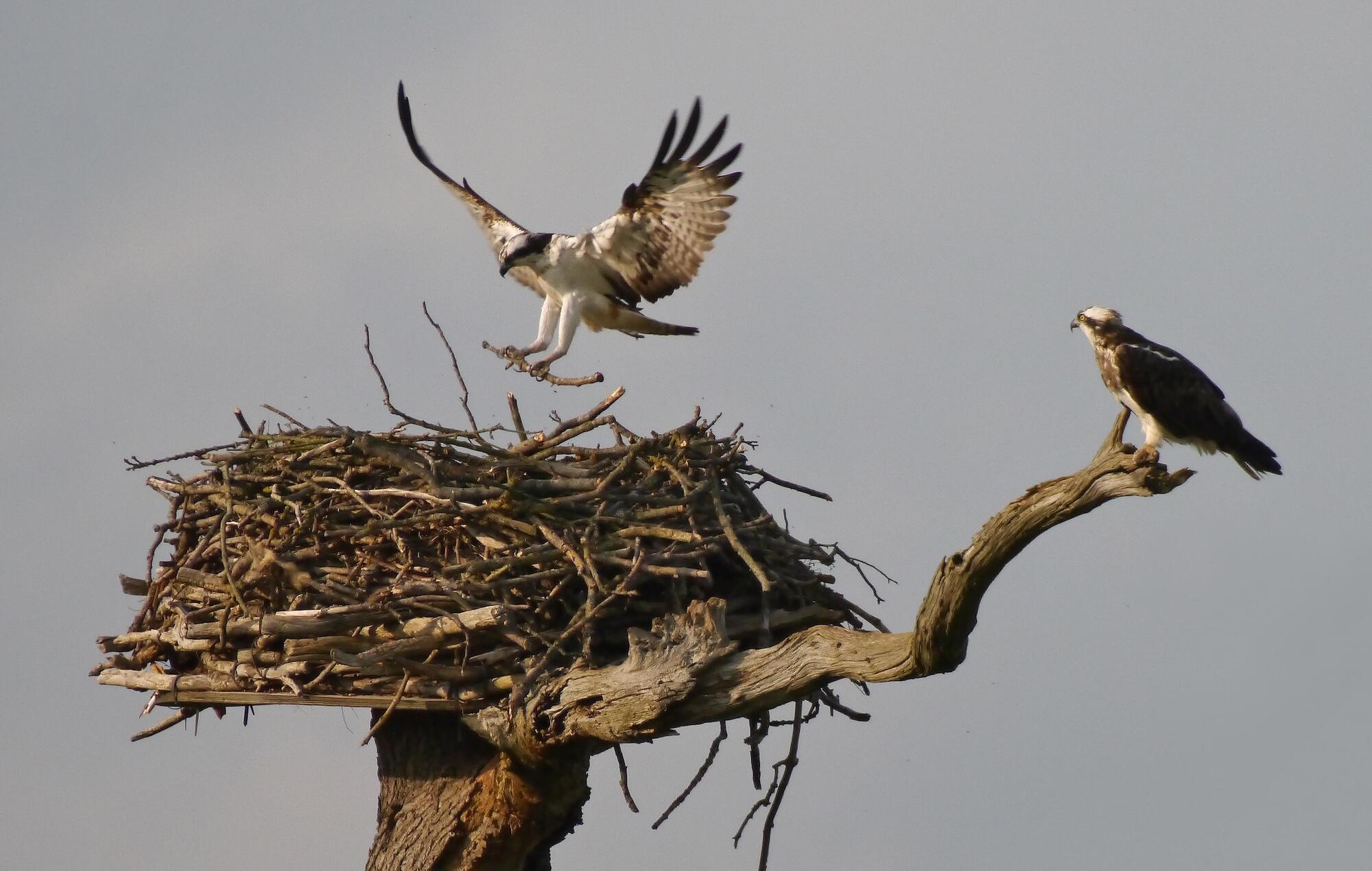
The original nest was built by a male Osprey, 03(97), who was translocated to Rutland Water from Scotland in 1997, as part of the reintroduction project led by Leicestershire and Rutland Wildlife Trust and Anglian Water. 03(97), who later became known as Mr Rutland, went on to rear a total of 32 chicks, with three different females, at the nest, situated atop an oak tree on the Burley Estate, between 2001-2015.
Osprey nests are often used by successive generations of the iconic migratory birds, and the same nest has continued to be occupied since. Meanwhile another pair of Ospreys, 11(10) and 25(10), both locally fledged birds, have reared chicks at another nest on the estate since 2013, with a total 32 chicks fledging to date, making them the most successful Osprey pairing in the local area.
Ospreys have long used Rutland as a point to rest on their long migrations between the UK and West Africa, making it the perfect spot to launch a reintroduction programme in England. In 1996, Tim Appleton, former head of Rutland Water Nature Reserve came together with species expert Roy Dennis, who was pivotal in the success of the expanding osprey populations in Scotland.
The programme, which begun at Rutland Water, has since been replicated at Poole Harbour in Dorset as well as various locations across Europe, has helped restore one of Britain's most iconic birds of prey and laid the foundations for future osprey reintroduction projects.
Tim Appleton said: “The nests on Burley Estate have a special place in my heart, particularly Site B, within Wild Rutland as the first successful nest in the project. It has been remarkable to see Rutland’s population of osprey grow and flourish over the years and I have no doubt this will continue long into the future.”
Tim Mackrill who first got involved in the Osprey Project as a 15-year-old volunteer in 1997 and is now regarded as a leading expert on Ospreys said, “The two nests on the Burley Estate have made a very significant contribution to the recovery of Ospreys in the southern half of the UK. Many of the offspring have either returned to breed in the local area, or elsewhere in England and Wales, helping this wonderful species to expand its range.”
While the osprey programme is one of Burley Estate’s most recognised conservation achievements, it represents just one part of a much broader commitment to protecting and enhancing the natural environment. Across the estate, ongoing conservation initiatives focus on restoring habitats, increasing biodiversity and creating resilient ecosystems that benefit a wide range of wildlife, ensuring the landscape continues to flourish for future generations.
The Burley Estate is the proposed home of a new conservation-led visitor attraction, Wild Rutland. The plans for the development have been recently submitted to Rutland County Council. Once approved and ready to open its doors, Wild Rutland will offer a first-of-its-kind visitor experience that enables nature lovers to experience the wonder of British wildlife within a picturesque rural setting, whilst also protecting and restoring the species that live there.
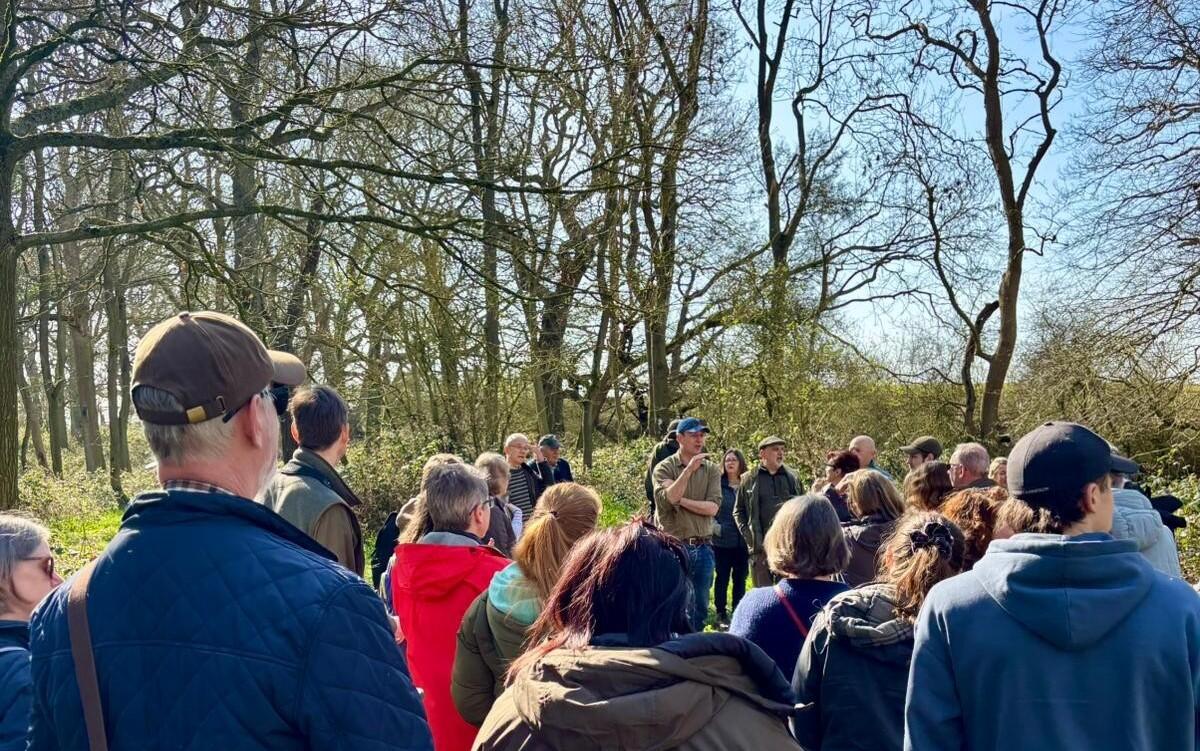
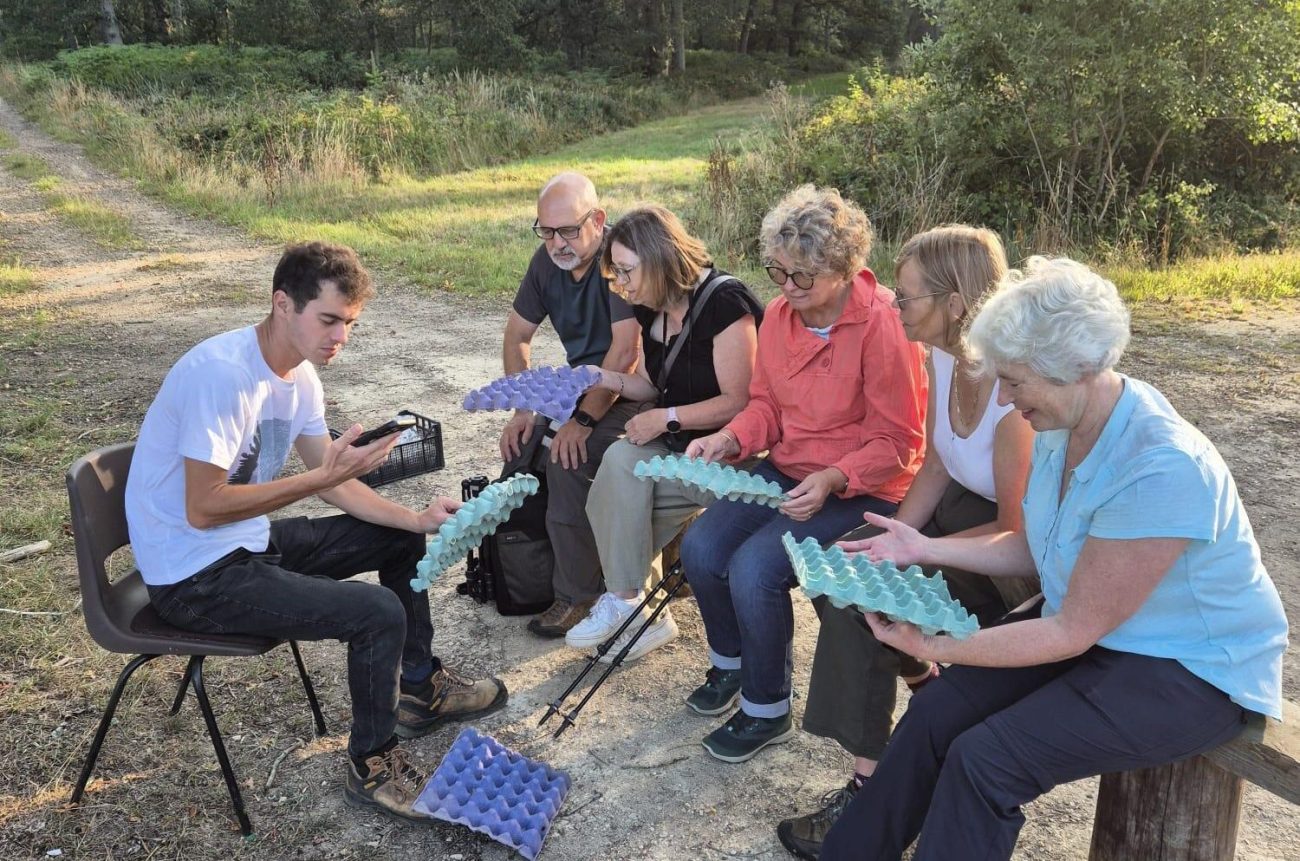
Throughout the year, Wild Rutland runs a programme of events to welcome people into nature. This summer includes events which take visitors into the heart of the site, to the secret location of the osprey nests, where they may catch a glimpse of the impressive birds of prey.
Find out more about dates and times of events and book tickets at https://www.wildrutland.com/events/